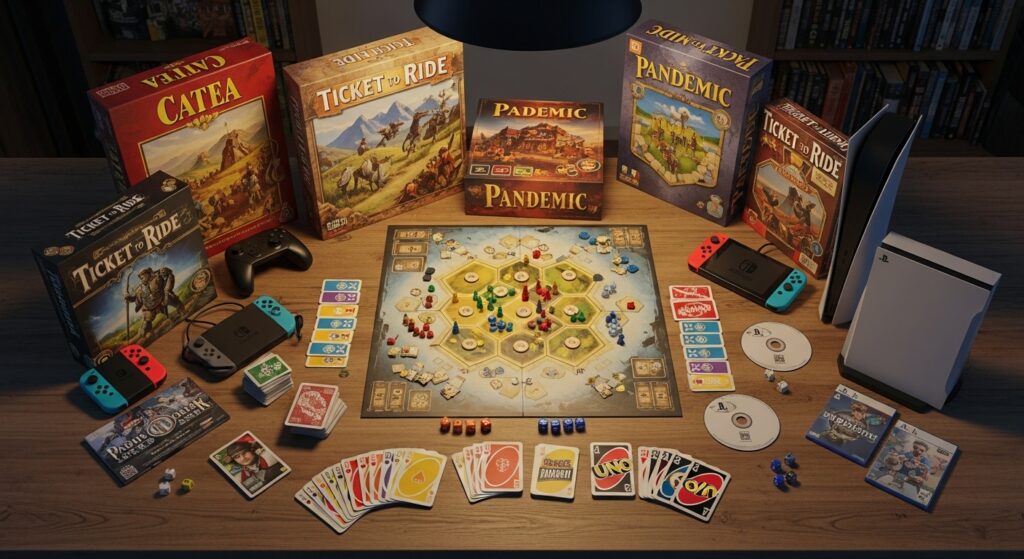
Introduction: The Universal Power of Games
Games have been a fundamental part of human life since the dawn of civilization. Whether it’s ancient board games, sports, or modern video games, the act of playing holds a special place in cultures across the globe. What started as simple pastimes to pass the time have evolved into a global industry, influencing entertainment, culture, and even the way we learn and socialize.
In today’s world, gaming is no longer just about fun and entertainment. It has become a complex, multi-dimensional experience that spans across genres, platforms, and devices. Video games, in particular, have gained massive popularity and recognition, transcending their original role as mere games and becoming a significant part of the modern cultural landscape. This blog explores how games, particularly video games, have evolved and the profound impact they have on individuals, communities, and society at large.
The Historical Evolution of Games
Games have existed for thousands of years, with evidence of their presence in ancient civilizations such as Egypt, Greece, and China. One of the earliest known games is Senet, an ancient Egyptian board game that dates back to around 3100 BCE. Over time, games became more sophisticated, and different cultures began to develop their own unique versions of play.
In the medieval period, games like chess and backgammon gained popularity across Europe and Asia. These games, often requiring strategy and skill, laid the foundation for more complex forms of play that would emerge in the future.
The 20th century marked a turning point for games, especially with the advent of digital technology. The first video games were created in the 1950s and 1960s, with early examples such as Spacewar and Pong. These games were simple by today’s standards, but they opened the door to a whole new world of interactive entertainment. The real explosion of gaming came in the late 1970s and 1980s with the development of arcade games and home consoles, leading to the rise of iconic franchises like Super Mario, Pac-Man, and Tetris.
As technology improved, so did the quality and complexity of games. The 1990s brought the introduction of 3D graphics, better sound, and more immersive experiences, with landmark titles like Super Mario 64 and Final Fantasy VII. These games laid the groundwork for the vast gaming ecosystem we know today.
The Rise of Digital and Online Gaming
The rise of the internet in the late 1990s and early 2000s marked a revolutionary change in the gaming landscape. Online gaming emerged as a new frontier, allowing players to connect with others across the globe in real-time. This shift opened up the world of multiplayer gaming and led to the creation of massive online worlds.
Games like World of Warcraft and Halo became immensely popular by allowing players to immerse themselves in virtual environments where they could interact with others, form teams, and compete in real-time. The social aspect of gaming took on a new dimension, as online communities, guilds, and clans formed around these games, fostering a sense of belonging and shared experience.
In the 2010s, online gaming exploded even further with the rise of free-to-play games and mobile gaming. Titles like Fortnite, League of Legends, and PUBG reached millions of players worldwide, breaking down barriers of entry and making gaming more accessible to a broader audience. Mobile gaming, with its simple mechanics and easy accessibility, further democratized gaming, allowing anyone with a smartphone to enjoy games at any time, anywhere.
Gaming as a Cultural Phenomenon
Today, gaming is no longer confined to the realm of entertainment. It has become a cultural phenomenon that influences art, music, fashion, and even language. Video game characters like Mario, Sonic, and Lara Croft have become household names, and gaming franchises such as The Legend of Zelda and Grand Theft Auto have become cultural icons with dedicated fan bases, merchandise, and even Hollywood adaptations.
One of the most significant shifts in gaming has been its recognition as an art form. Games like The Last of Us, Red Dead Redemption 2, and Journey are celebrated not just for their gameplay but for their storytelling, visual design, and emotional impact. These games push the boundaries of what is possible in interactive storytelling, combining elements of cinema, literature, and visual art to create experiences that resonate deeply with players.
Moreover, games have become a central part of social interactions, especially through streaming platforms like Twitch and YouTube. These platforms allow players to share their gaming experiences with others, creating an entirely new industry around esports, content creation, and digital entertainment. People can now watch professional gamers, streamers, and influencers as they play, learn, and entertain millions of viewers in real-time. This has transformed gaming into a social activity where players are not just participants but also spectators, forming global communities of like-minded individuals.
The Psychological Impact of Gaming
While gaming is often seen as a fun way to unwind, it also has a significant psychological impact. Games provide a sense of achievement, challenge, and reward, which can have positive effects on mental health. The feeling of accomplishment that comes with completing a difficult level or winning a match can boost confidence and self-esteem. Similarly, many games provide players with opportunities to problem-solve, think critically, and make strategic decisions, which can improve cognitive abilities.
Additionally, video games have been shown to have therapeutic effects. Research has suggested that playing certain types of games can help alleviate stress, anxiety, and depression. Games with calming environments or puzzles, such as Stardew Valley or Tetris, can provide mental relaxation and distraction from the stresses of daily life. Some games even use therapeutic techniques to help with post-traumatic stress disorder (PTSD) and other mental health conditions.
However, it is essential to acknowledge that gaming can have negative effects when done excessively. Video game addiction is a concern for some individuals, especially when it interferes with their daily life, relationships, or responsibilities. As the gaming industry continues to grow, there is an increasing emphasis on promoting healthy gaming habits and ensuring that games are developed in ways that encourage responsible play.
The Role of Games in Education and Learning
In recent years, games have increasingly been used as tools for learning and education. Educational games have become a popular way to teach subjects like math, science, history, and language, offering a fun and interactive way to engage students. Games like Minecraft have even been used in classrooms to teach concepts such as architecture, engineering, and collaboration.
The rise of gamification—integrating game-like elements into non-game contexts—has also had a significant impact on education and training. Many businesses, schools, and even governments are using gamification techniques to motivate and engage people in tasks that might otherwise seem boring or mundane. By introducing elements like points, rewards, and competition, gamification has the potential to make learning and development more engaging and effective.
Furthermore, video games that simulate real-world environments, such as flight simulators or medical training programs, are becoming essential tools in various professions. These games allow individuals to practice and hone their skills in a safe, controlled environment, offering a cost-effective alternative to traditional training methods.
The Future of Gaming: Virtual Reality, AI, and Beyond
The future of gaming is incredibly exciting, with new technologies like virtual reality (VR), augmented reality (AR), and artificial intelligence (AI) poised to reshape the industry in ways we can only imagine. VR technology, in particular, has the potential to immerse players in completely interactive, 360-degree environments, where they can experience games as if they were physically there. This technology is already being used in some high-end games, but as VR becomes more affordable and widespread, it could revolutionize the way we play.
AI is another area that is expected to have a significant impact on gaming. AI-driven characters and game worlds that adapt to player behavior could create experiences that are more dynamic, personalized, and unpredictable. This could lead to games that feel alive, with NPCs (non-playable characters) that remember player actions and respond in unique ways, making each playthrough feel fresh and exciting.
Additionally, the concept of the metaverse—a shared, persistent virtual world where people can socialize, work, play, and create—has been gaining traction in the gaming world. Companies like Meta (formerly Facebook) and Microsoft are investing heavily in the development of the metaverse, which could eventually lead to a new era of interconnected virtual worlds that blend gaming, social interaction, and business in ways that we’ve never seen before.
Conclusion: Gaming’s Lasting Impact on Society
Gaming has come a long way since its humble beginnings as a simple pastime. Today, it stands as one of the most influential forms of entertainment in the world, shaping culture, society, and even the way we learn and grow. From its historical roots to its place in the digital age, gaming continues to evolve, offering new experiences, challenges, and opportunities for both players and creators.
As technology advances and new forms of play emerge, games will continue to transform how we interact with the world and each other. With the potential to entertain, educate, and unite people from all walks of life, the future of gaming is limitless. One thing is clear: gaming is not just a hobby—it’s an integral part of modern society and a powerful force shaping the future.