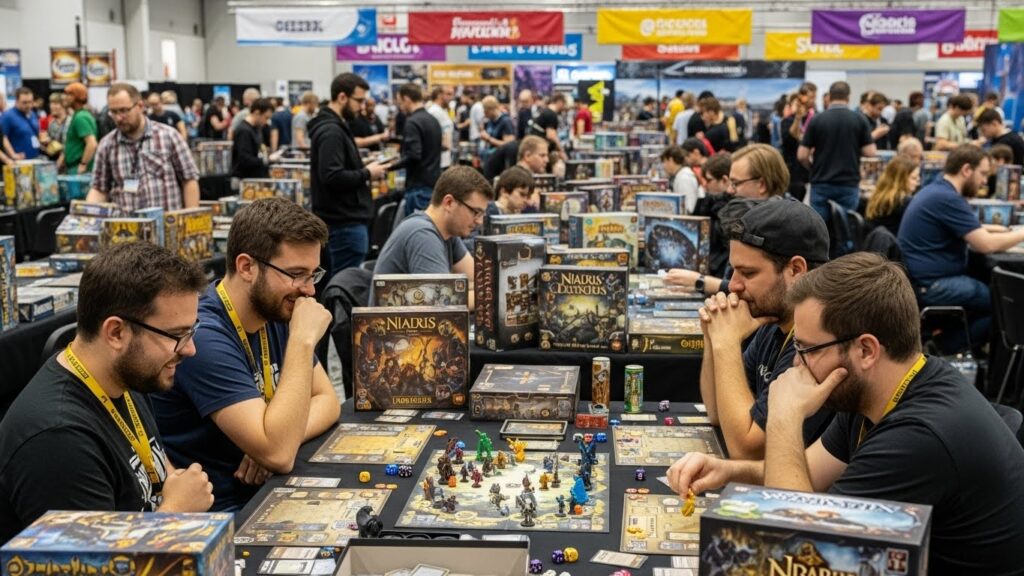
Games have been a part of human culture for thousands of years. From the first dice rolls in ancient civilizations to the advanced digital gaming experiences of today, games have always been more than just a way to pass the time—they serve as a reflection of culture, technology, and society’s evolving tastes and interests. The world of games has evolved significantly, with advances in technology shaping the way we play, the kinds of games we enjoy, and the way games are integrated into our daily lives.
In this blog post, we will explore the rich history of games, the impact of technology, and the current state of gaming, including the diverse genres and the growing influence of online communities. By examining the past and present of games, we will gain a better understanding of how they have become the global phenomenon they are today.
The Ancient Origins of Games
The history of games dates back to ancient times, with the earliest examples of games being found in various cultures around the world. The oldest known board game, Senet, dates back to around 3100 BCE in ancient Egypt. This game, which involved a board with 30 squares, was more than just a pastime—it was believed to have religious and spiritual significance, as it symbolized the journey of the soul in the afterlife.
In Mesopotamia, the game of Royal Game of Ur was played around 2600 BCE, and it involved rolling dice and moving pieces along a path, much like modern board games. Similarly, ancient civilizations like the Greeks and Romans played games such as Petteia and Tabula, which also involved strategy and luck. These early games, often played in social settings, laid the foundation for the competitive and strategic nature of modern gaming.
Beyond board games, ancient cultures also enjoyed physical games. In ancient Greece, the Olympic Games began in 776 BCE, offering competitions in events like running, wrestling, and chariot racing. These events, which became a cornerstone of Greek culture, were the precursors to the global sporting events we recognize today.
The Advent of Card Games and Their Influence
As civilizations evolved, so did the nature of gaming. The use of playing cards is believed to have originated in China during the Tang Dynasty (618–907 CE). From there, card games spread to other parts of Asia and eventually to Europe, where they became a popular pastime among the aristocracy and common folk alike. Card games like Poker, Bridge, and Blackjack became staples of social gatherings, and they remain popular today, both in person and online.
Playing cards also gave rise to a variety of gaming systems, from solitaire and rummy to more complex games like Magic: The Gathering. Card games contributed to the development of strategy-based games, where players had to think critically and plan ahead to succeed. These elements of strategy have carried over into the development of modern video games, which often require similar types of problem-solving and tactical thinking.
The Rise of Video Games: A New Frontier in Entertainment
The 20th century marked a turning point in the history of games. With the advent of computers and technology, games were no longer confined to physical boards or cards. The first video game, Tennis for Two, was created in 1958 by physicist William Higinbotham on an oscilloscope screen. While it was a simple two-player tennis simulation, it laid the groundwork for what would become a global entertainment industry.
In 1972, Pong, one of the first commercially successful video games, was released by Atari. It was a simple simulation of table tennis, but it captured the imagination of gamers and became the first video game to gain widespread popularity. This marked the birth of the arcade era, where coin-operated games began to dominate amusement parks, malls, and arcades around the world. Over the next few decades, gaming hardware evolved with the introduction of home consoles such as the Atari 2600, the Nintendo Entertainment System (NES), and the Sega Genesis. These consoles brought video games into homes across the globe, making gaming more accessible and mainstream.
The development of 3D graphics, more sophisticated game engines, and enhanced sound design during the 1990s opened up new possibilities for game developers. Super Mario 64 (1996) revolutionized platforming games with its 3D gameplay, while The Legend of Zelda: Ocarina of Time (1998) set new standards for storytelling in video games. The 1990s and early 2000s saw the rise of blockbuster franchises like Final Fantasy, Street Fighter, The Sims, and Pokémon, which helped to cement video games as a dominant form of entertainment worldwide.
The Age of Online and Mobile Gaming
As the internet became more ubiquitous in the late 1990s and early 2000s, gaming underwent yet another major transformation. Online multiplayer games allowed players to connect with others around the world, creating a social aspect to gaming that was previously unimaginable. World of Warcraft, released in 2004, became one of the first massively multiplayer online role-playing games (MMORPGs) that attracted millions of players. The ability to play with others in a shared virtual world opened up new social possibilities, with online communities forming around specific games.
At the same time, mobile gaming began to take off. With the advent of smartphones like the iPhone, which launched in 2007, a whole new category of gaming emerged. Mobile games such as Angry Birds (2009), Candy Crush Saga (2012), and Clash of Clans (2012) brought gaming to an even larger audience, including casual players who may not have been interested in traditional video games. The accessibility of mobile games, combined with the rise of app stores, made gaming available to virtually anyone with a smartphone.
Mobile gaming has become a dominant force in the gaming world. Today, mobile games account for a significant portion of global gaming revenue, surpassing even the traditional console and PC gaming markets in some regions. Mobile games are designed to be easily accessible and often feature short play sessions, making them perfect for players on the go.
The Diverse World of Gaming Genres
As gaming technology continues to advance, the variety of game genres has exploded. Today, there is a game for every type of player, from casual mobile gamers to hardcore competitive eSports enthusiasts. Some of the most popular genres include:
- Role-Playing Games (RPGs): Games like The Elder Scrolls V: Skyrim and Mass Effect allow players to immerse themselves in expansive worlds, where they can explore, complete quests, and build characters. RPGs are often known for their deep storylines, character development, and open-world gameplay.
- First-Person Shooters (FPS): Games like Call of Duty and Overwatch put players in the middle of fast-paced, tactical combat. FPS games often feature multiplayer modes, where players can battle each other in real-time.
- Strategy Games: Whether it’s the turn-based gameplay of Civilization VI or the real-time action of StarCraft II, strategy games challenge players to think critically, plan their moves, and outsmart their opponents.
- Sports Games: From FIFA to NBA 2K, sports games simulate real-world athletic competitions, offering players the chance to manage teams, play as their favorite athletes, and compete in leagues.
- Simulation Games: Games like The Sims and SimCity allow players to create and manage virtual worlds, simulating real-life scenarios like running a city or building a family.
- Adventure Games: These games, such as The Legend of Zelda: Breath of the Wild and Uncharted, combine action, puzzle-solving, and exploration, often with an emphasis on storytelling.
- Indie Games: Over the past decade, indie games have gained immense popularity. Developers like Supercell, Mojang, and Jonathan Blow have created innovative titles such as Minecraft and Braid that offer unique gameplay experiences outside the mainstream.
The Growth of eSports and Gaming Communities
One of the most significant developments in recent years has been the rise of eSports—organized, multiplayer video game competitions that attract professional players, large audiences, and significant sponsorship deals. Games like League of Legends, Dota 2, and Fortnite have become eSports staples, with tournaments offering millions of dollars in prize money and drawing audiences in the millions both in-person and online.
eSports has transformed gaming into a legitimate professional sport, and top players are now treated like celebrities, with dedicated fan bases and sponsorships from major brands. The growing popularity of eSports has even led to the formation of college leagues and professional eSports organizations, further legitimizing competitive gaming as a career path.
Moreover, online gaming communities have become central to the gaming experience. Players can now connect, share tips, and engage in discussions on platforms like Twitch, Discord, and Reddit. The social aspect of gaming has become an integral part of the experience, allowing players to form lifelong friendships, join clans or guilds, and participate in collaborative gameplay.
The Future of Gaming: Virtual Reality, AI, and Beyond
Looking to the future, the gaming industry is poised to continue evolving with the introduction of cutting-edge technologies. Virtual Reality (VR) and Augmented Reality (AR) are expected to revolutionize how we interact with games, offering more immersive experiences where players can physically interact with their virtual environments. Games like Half-Life: Alyx are already pushing the boundaries of VR gameplay, providing lifelike interactions within a fully realized digital world.