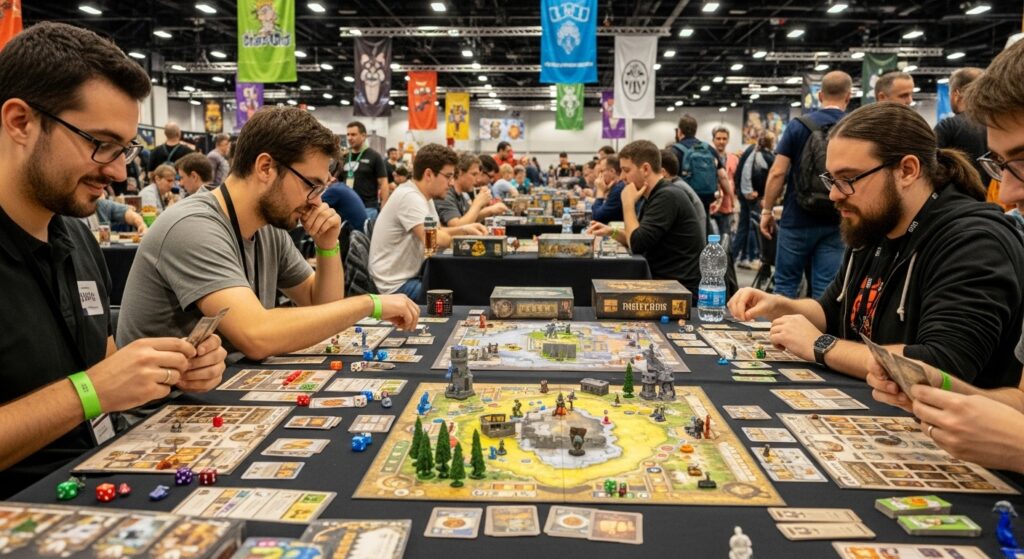
Introduction: The Multifaceted World of Games
Games have been an essential part of human life for centuries, evolving from simple pastimes to powerful tools that influence culture, education, and society. Whether it’s a traditional board game passed down through generations or a high-tech video game streamed across continents, games hold a unique ability to captivate, challenge, and bring people together.
In recent years, gaming has expanded far beyond entertainment, becoming a significant cultural and social force. Video games alone represent a global industry worth billions of dollars, driving technological advancements and social trends. From the simple joy of playing with friends to the sophisticated narratives of modern video games, games have an impact on everything from our leisure activities to our work life.
This blog post will explore how games, both traditional and digital, influence and shape our world. We’ll delve into the evolution of gaming, how it’s intertwined with culture, its role in education, and its potential future in a rapidly advancing technological landscape.
The Early Origins of Games: Simple Pleasures
Games have existed in one form or another for millennia. The earliest games were simple, often relying on strategy and chance, with minimal equipment. In ancient times, games like Senet, Mancala, and chess offered entertainment while serving as intellectual exercises. They helped build social bonds, taught valuable lessons about strategy and thinking, and often mirrored real-life concepts like war, trade, and governance.
As societies advanced, games became more complex. Early civilizations like the Egyptians, Greeks, and Romans used games not only for recreation but also for training soldiers and teaching children how to think critically. By the medieval period, games like backgammon and knucklebones further developed the concept of play as both entertainment and educational tools.
These traditional games laid the foundation for the modern games we enjoy today, influencing the mechanics, themes, and storytelling that are incorporated into video games.
The Birth of Digital Games: From Arcades to Home Consoles
The 20th century marked a pivotal moment in gaming history: the invention of digital games. It all started with the creation of the first arcade game, Pong, by Atari in 1972. Though simple, Pong captured the essence of interactive entertainment and introduced the idea of competition through play. The arcade scene of the 1970s and 1980s exploded with iconic games like Space Invaders, Pac-Man, and Donkey Kong, creating a cultural phenomenon that shaped the gaming industry.
These arcade games were the precursors to home gaming consoles, which became a staple in living rooms around the world. The 1980s and 1990s saw the rise of consoles like the Nintendo Entertainment System (NES) and Sega Genesis, introducing characters such as Mario and Sonic the Hedgehog, who quickly became cultural icons. These consoles allowed players to experience more advanced graphics, longer playtime, and more immersive worlds.
The 1990s also saw the introduction of 3D graphics, with groundbreaking titles like Super Mario 64 and The Legend of Zelda: Ocarina of Time. These games pushed the boundaries of what was possible in terms of game design, offering expansive virtual worlds that allowed players to explore, solve puzzles, and experience stories in ways that were previously impossible in the realm of entertainment.
The Rise of Online Gaming: Connecting Players Worldwide
The arrival of the internet in the late 1990s was a game-changer for the gaming industry. The ability to connect players in real-time across the globe revolutionized how games were played. Games like Warcraft, Diablo, and StarCraft introduced the world to online multiplayer, creating vibrant communities where players could collaborate, compete, and socialize in digital spaces.
The early 2000s saw the emergence of massively multiplayer online role-playing games (MMORPGs), with titles like World of Warcraft taking the online gaming experience to new heights. These games allowed players to engage in vast virtual worlds, completing quests, battling monsters, and interacting with other players in real-time. The social aspect of gaming became more prominent, with guilds, teams, and online communities forming around games and players forging lifelong friendships.
The rise of online gaming also saw the growth of digital platforms such as Steam, PlayStation Network, and Xbox Live, which enabled players to download and play games, compete in multiplayer modes, and connect with others in ways that were never before possible.
Mobile Gaming: Play Anywhere, Anytime
The rise of smartphones in the 2000s opened up new avenues for gaming. Mobile gaming, once considered a niche, has now become a massive force in the gaming industry. The accessibility of mobile devices, combined with simple, user-friendly games, has allowed people to play games wherever they are, whether on a subway, during a lunch break, or at home.
Mobile games like Angry Birds, Candy Crush, and Pokémon GO have become global phenomena, offering quick, bite-sized experiences that fit seamlessly into busy lifestyles. Free-to-play models, where players can access the core game for free and pay for extra features, have made mobile gaming incredibly popular and accessible.
The mobile gaming revolution has also brought a new level of accessibility to gaming, with titles that cater to both casual players and hardcore gamers. Thanks to mobile gaming, the reach of gaming has expanded to a more diverse audience, including people who may have never considered themselves gamers before.
The Social and Cultural Impact of Gaming
Today, gaming is much more than an isolated hobby. It has become a social activity that connects people from all walks of life. Online multiplayer games like Fortnite, League of Legends, and Call of Duty allow players to connect, cooperate, and compete with others around the world, breaking down geographic and cultural barriers.
Beyond competitive play, games have become a central part of popular culture. Iconic characters, storylines, and soundtracks have found their way into mainstream media, inspiring movies, books, and TV shows. Franchises like The Legend of Zelda, Super Mario, and Grand Theft Auto are not only known for their gameplay but also for their cultural influence. Video game conventions like E3 and PAX draw massive crowds, while cosplay events allow fans to express their love for gaming in creative ways.
Streaming platforms like Twitch and YouTube have further amplified the cultural impact of games. Gamers can now share their experiences with millions of viewers, building communities of followers who engage in discussions, watch live streams, and share tips and tricks. This has given rise to a new form of celebrity: the professional gamer. Esports, the competitive side of gaming, has grown exponentially in recent years, with large-scale tournaments attracting global audiences and offering substantial cash prizes.
Games as Educational Tools: Learning Through Play
Games are not just a source of entertainment—they also have a significant role in education. The concept of “learning through play” is not new, but in recent years, educational games have gained traction as powerful tools for teaching a wide range of subjects. Games like Minecraft: Education Edition, Kahoot!, and Duolingo have transformed learning by making it interactive, fun, and engaging.
Games have the unique ability to teach complex concepts in a way that feels natural. Whether it’s mathematics, history, science, or language, educational games offer students an immersive experience that encourages problem-solving, creativity, and critical thinking. For example, Minecraft allows students to create virtual worlds, teaching architecture and engineering principles, while Portal and other puzzle games challenge players’ logic and reasoning skills.
Moreover, games promote skills such as collaboration, communication, and perseverance. Multiplayer games often require teamwork, strategy, and quick thinking. In competitive esports, players must develop discipline, practice regularly, and work together toward a common goal. These skills are valuable not only in gaming but in real-life situations such as school, work, and personal relationships.
The Future of Gaming: Virtual Reality and AI
Looking ahead, the future of gaming holds exciting possibilities. Virtual reality (VR) is set to revolutionize gaming, offering a level of immersion that was previously unimaginable. With VR headsets, players can step into fully interactive environments where they can physically move, explore, and interact with the game world. Titles like Beat Saber and Half-Life: Alyx have already shown the potential of VR, and as the technology continues to evolve, we can expect more immersive, realistic, and dynamic gaming experiences.
Artificial intelligence (AI) is another area where gaming is set to evolve. AI-driven games could create dynamic, personalized experiences that adapt to players’ actions, decisions, and skill levels. AI could also help in the creation of more lifelike and responsive characters, leading to more immersive and unpredictable narratives.
In addition to VR and AI, the concept of the metaverse—the idea of a fully interconnected virtual universe—could transform gaming once again. Companies like Meta are already investing in the development of metaverse environments where people can socialize, work, and play within a shared virtual space.
Conclusion: The Lasting Impact of Games
Games have come a long way from their humble beginnings as simple pastimes. Today, they are a global force that shapes entertainment, education, culture, and society. Whether through fostering social connections, enhancing cognitive abilities, or pushing the boundaries of technology, games play an integral role in shaping the world we live in.
As technology continues to evolve, so too will the world of gaming. Virtual reality, AI, and the metaverse will open up new dimensions of play, creating opportunities for more immersive, personalized, and interactive experiences. With its ability to educate, entertain, and connect people, gaming will undoubtedly continue to be a driving force in both the digital and real worlds for years to come.