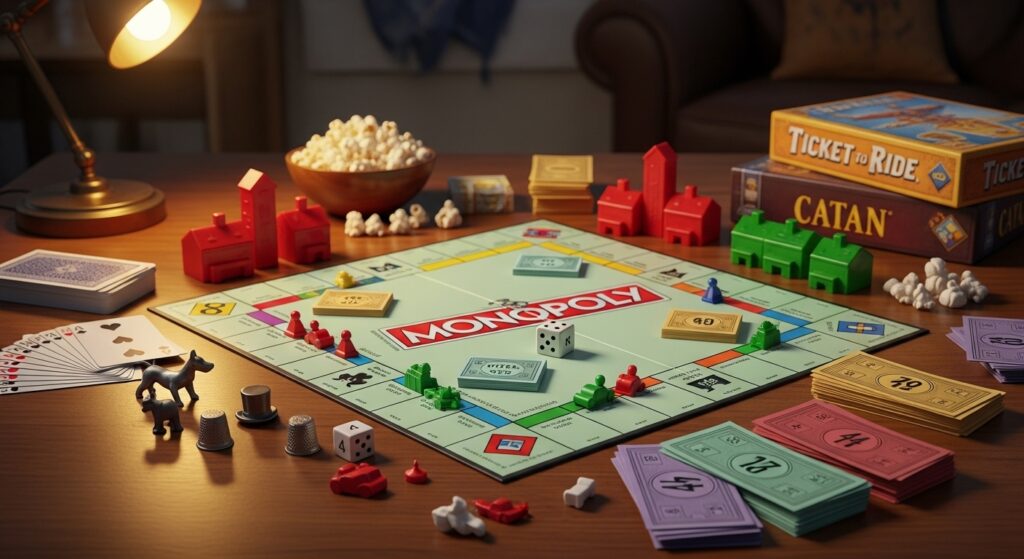
Games, in their many forms, have become an integral part of human culture, offering an escape, a challenge, and a means of connection for millions of people worldwide. Whether it’s a casual mobile game, a competitive esports tournament, or a deep narrative-driven role-playing game, the variety of games available today speaks to the diversity of player interests. The world of gaming has evolved over decades, expanding its reach and influence into almost every corner of society. In this blog post, we will explore the world of games—where they’ve come from, the different types of games, and what the future holds for interactive entertainment.
The Evolution of Games: From Simple Pastimes to Digital Realms
Games have been part of human culture for millennia, with evidence of board games dating back to ancient civilizations. Games in these early forms often served not only as entertainment but also as tools for teaching strategy, social interaction, and decision-making. Examples like Senet from Ancient Egypt and Go from China show how games have been embedded in societies across the world, offering both leisure and learning.
However, it wasn’t until the advent of computers and, later, the internet, that games would truly begin to take on the dynamic forms we see today. In the 1950s and 1960s, the first computer-based games were created, marking the birth of digital gaming. The arcade boom of the 1970s and 1980s introduced iconic titles such as Pong, Space Invaders, and Pac-Man, which became cultural milestones in their own right. These games were simplistic by today’s standards, but they paved the way for the sophisticated, immersive experiences we enjoy now.
Fast forward to the 1990s and 2000s, and video games began to achieve the production values and technological innovations that made them as complex and engaging as movies and television. With the development of consoles, personal computers, and online multiplayer capabilities, games became more accessible and more sophisticated, giving rise to genres and communities that continue to grow today.
Types of Games: A Universe of Interactive Entertainment
The world of games is vast, encompassing a multitude of genres that cater to every interest, skill level, and platform preference. While it’s impossible to cover every type of game in detail, let’s take a look at some of the most popular genres that have shaped the gaming landscape.
1. Action Games: Thrills, Speed, and Reflexes
Action games are perhaps the most universally recognized genre in gaming. They focus on fast-paced gameplay that requires quick reflexes, coordination, and decision-making. This genre includes platformers, beat ’em ups, hack and slash games, and more. Notable examples include Super Mario Bros., Grand Theft Auto, and Devil May Cry.
In action games, players are often tasked with overcoming enemies or environmental challenges using a combination of combat, movement, and sometimes puzzle-solving. The genre is known for its adrenaline-pumping experiences, and it appeals to players looking for excitement and instant gratification.
2. Role-Playing Games (RPGs): Stories and Character Development
Role-playing games (RPGs) are among the most immersive and storytelling-driven genres. In an RPG, players take on the role of a character (or several characters), guiding them through a rich narrative and often developing their abilities or skills over time.
Traditional RPGs like Final Fantasy and The Elder Scrolls focus on exploring vast worlds, battling monsters, and completing quests. Meanwhile, action RPGs such as The Witcher 3: Wild Hunt combine elements of action with deep character progression. RPGs are beloved for their emphasis on narrative depth, world-building, and character development, offering players the chance to create their own stories while engaging in epic adventures.
3. Strategy Games: Brains Over Brawn
Strategy games are all about using your mind to outthink opponents. This genre includes both real-time strategy (RTS) games like StarCraft and Command & Conquer, and turn-based strategy (TBS) games such as Civilization and XCOM. These games often focus on resource management, planning, and tactical decision-making.
In RTS games, players control large armies and must manage resources, build structures, and engage in real-time combat. In turn-based strategy games, the action is slower, giving players time to carefully plan their moves and consider multiple strategic paths. Both types of strategy games require critical thinking, making them highly rewarding for those who enjoy problem-solving and planning.
4. Sports Games: Virtual Athletics and Competition
Sports games simulate real-world sports and allow players to compete in a variety of athletic activities. These games range from simulations of traditional sports like soccer, basketball, and football to more niche games such as racing or even fantasy sports. Popular franchises like FIFA, NBA 2K, and Madden NFL are the backbone of this genre.
The appeal of sports games lies in their ability to provide an authentic sports experience while offering a level of control and customization that real-life sports can’t. Players can not only experience the thrill of competition but also manage teams, make strategic decisions, and recreate the careers of famous athletes.
5. Simulation Games: Building, Managing, and Creating
Simulation games are designed to replicate real-life activities or scenarios. This genre includes everything from life simulation games like The Sims, where players build and control the lives of virtual characters, to city-building games like SimCity or Cities: Skylines, where players are tasked with managing the development of a city.
Other simulation games involve vehicle operation, like Euro Truck Simulator, or even managing businesses, as seen in RollerCoaster Tycoon or Zoo Tycoon. Simulation games appeal to those who enjoy creating, managing, or experimenting with virtual systems in a controlled environment, allowing for creativity and a sense of accomplishment.
6. Multiplayer Online Battle Arena (MOBA) and Battle Royale: Competitive Play and Teamwork
In recent years, multiplayer online battle arenas (MOBA) and battle royale games have emerged as two of the most popular genres in competitive gaming. MOBAs like League of Legends and Dota 2 revolve around team-based combat, where players must work together to defeat the opposing team in strategic battles. These games focus on teamwork, strategy, and quick decision-making.
Battle royale games, such as Fortnite and PUBG, drop players onto a map where they must fight to be the last one standing. These games combine survival mechanics with shooting and exploration, offering a high-stakes, action-packed experience. Both MOBAs and battle royales have gained immense popularity in esports, with global tournaments and millions of viewers tuning in to watch professional teams compete.
The Impact of Games on Society
The gaming industry has seen tremendous growth, both in terms of revenue and cultural significance. Today, games are no longer just a form of entertainment—they have become a global social phenomenon that impacts everything from art and storytelling to technology and education.
1. Gaming and Social Connection
Games have created vibrant communities that bring people together from all over the world. Online multiplayer games, in particular, have revolutionized how people interact with one another. Whether through cooperative play or competitive matches, gaming offers a platform for socializing, making friends, and working collaboratively toward shared goals. Games have also led to the rise of online streaming platforms like Twitch, where players can broadcast their gameplay and interact with fans in real-time.
2. Educational and Cognitive Benefits
Beyond entertainment, games have also demonstrated cognitive benefits. Many games improve problem-solving skills, strategic thinking, and hand-eye coordination. Puzzle games like Portal or Tetris challenge players to think critically and plan ahead, while strategy games encourage forward-thinking and long-term planning. Additionally, educational games for children provide a fun way to learn new concepts, improve memory, and develop logical reasoning.
Games are also being used as tools for education in more formal settings. Game-based learning is gaining traction in schools, where games are used to teach subjects like mathematics, history, and language arts. Games engage students in an interactive way that traditional teaching methods often cannot match, making learning both enjoyable and effective.
3. Esports and Professional Gaming
The rise of esports has turned gaming from a casual hobby into a legitimate professional career. Esports players now compete for large cash prizes, sign sponsorship deals, and attract millions of fans. Titles like League of Legends, Counter-Strike, and Overwatch have given rise to professional leagues, and major tournaments are broadcast on TV and online, with viewership numbers rivaling traditional sports events.
Esports has also led to the growth of a new industry surrounding gaming, including streaming platforms, tournament organizations, merchandise, and even academic programs that teach esports management. The professionalization of gaming has elevated it from a pastime to a legitimate career choice for talented individuals.
The Future of Gaming: What Lies Ahead?
The future of gaming is filled with exciting possibilities. With advancements in technology and new trends emerging all the time, the gaming industry is poised for even greater innovation. One of the most promising developments is the integration of virtual reality (VR) and augmented reality (AR) into gaming experiences. VR allows players to immerse themselves in fully realized 3D worlds, offering a level of engagement that traditional gaming cannot match.
Similarly, cloud gaming, which allows players to stream games directly from servers without needing high-end hardware, is expected to become more widespread, making gaming more accessible than ever before.
Artificial intelligence (AI) is another area where gaming is likely to see significant advancements. AI-powered non-playable characters (NPCs) are becoming more complex, creating more dynamic and challenging game worlds. Additionally, AI could play a key role in enhancing personalized experiences, tailoring games to individual player