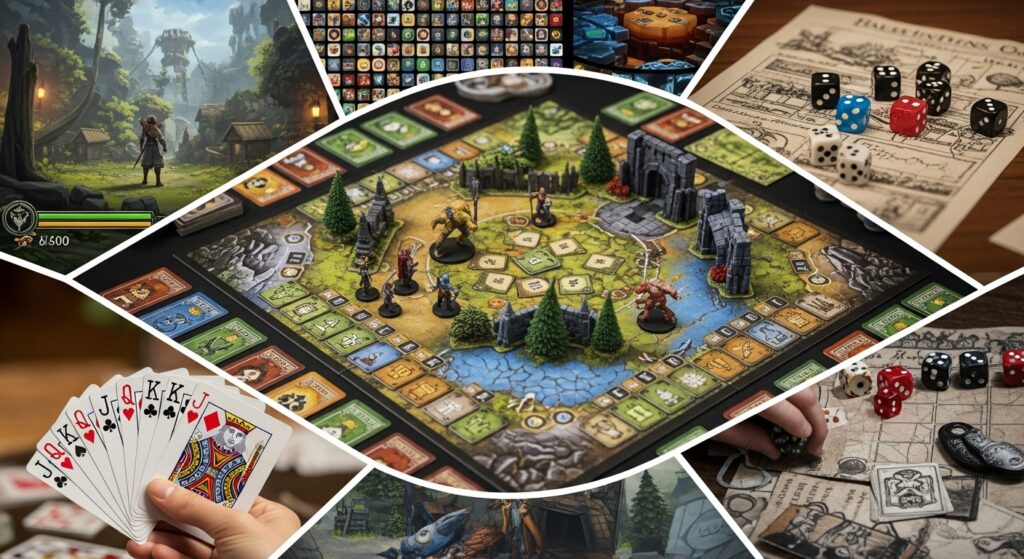
Introduction: The Everlasting Appeal of Games
Games have been a fundamental part of human culture for centuries. From ancient board games to modern digital experiences, they offer more than simple amusement—they serve as tools for learning, socialization, and creativity. Games allow individuals to explore strategies, test skills, and experience challenges in structured environments. In today’s world, games have grown into a multi-billion-dollar industry encompassing console gaming, mobile games, board games, esports, and virtual reality experiences. Their universal appeal lies in their ability to provide entertainment, stimulate the mind, and foster connection across generations and cultures.
The Evolution of Games
Games have evolved significantly over time. Early civilizations created physical and board games that tested strategy, memory, and dexterity. Ancient societies played games such as Senet in Egypt or Go in China, which reflected cultural values and social structures. With the advent of computers and digital technology, gaming transformed dramatically. Video games, online multiplayer experiences, and mobile apps introduced interactive storytelling, real-time strategy, and competitive play. Each technological advancement expanded the possibilities of gaming, allowing creators to craft immersive worlds and dynamic experiences for players worldwide.
Video Games: Immersive Worlds and Interactive Storytelling
Video games are one of the most popular forms of modern entertainment. They combine visual storytelling, sound design, and interactivity to create immersive experiences. Players can explore complex narratives, solve intricate puzzles, and engage in strategic battles. Popular genres range from role-playing games to first-person shooters, sports simulations, and puzzle games, each offering unique experiences. Video games also provide opportunities for social engagement through multiplayer modes, tournaments, and online communities. The combination of storytelling, interactivity, and challenge makes video games a powerful form of entertainment and cultural influence.
Mobile Gaming: Entertainment in Your Pocket
The rise of smartphones has made mobile gaming a major force in the industry. Mobile games allow players to enjoy entertainment anywhere, from short casual games to more complex strategy titles. Mobile platforms have democratized gaming, reaching audiences who may not have access to consoles or high-end PCs. Features such as in-app purchases, social sharing, and multiplayer modes enhance engagement and interactivity. Mobile gaming has also become a gateway to esports and competitive play, with global tournaments attracting millions of viewers and participants.
Board Games: A Classic and Timeless Form of Play
While digital games dominate much of the entertainment landscape, board games remain a beloved form of gaming. They offer tactile experiences that encourage social interaction, strategic thinking, and teamwork. Classics like chess, Monopoly, and Settlers of Catan continue to captivate players while modern tabletop games introduce innovative mechanics and themes. Board games are increasingly used as educational tools, teaching problem-solving, negotiation, and collaboration. Their enduring appeal lies in their ability to bring people together in a shared, engaging experience.
The Rise of Esports: Competitive Gaming on a Global Stage
Esports has transformed gaming into a professional and competitive industry. Players participate in organized tournaments, representing teams and competing for substantial prize pools. Popular esports titles include multiplayer online battle arenas, first-person shooters, and strategy games. Esports attracts millions of viewers through live streaming platforms and broadcasts, creating a global community of fans and players. Professional players dedicate extensive hours to practice, strategy, and teamwork, treating gaming as a serious career. The rise of esports demonstrates how gaming has evolved beyond personal entertainment into a structured, high-stakes industry.
Games as Tools for Learning and Skill Development
Games are not only entertaining but also educational. Many games challenge players to think critically, plan strategically, and make rapid decisions. Puzzle games enhance problem-solving skills, strategy games develop foresight and resource management abilities, and simulation games provide insights into real-world systems. Educational games are used in schools and training programs to teach concepts in engaging ways. By combining fun with learning, games promote cognitive development, creativity, and adaptive thinking.
Social and Community Aspects of Gaming
Games foster social interaction and community building. Online multiplayer platforms, forums, and social features allow players to connect, collaborate, and compete globally. Gaming communities form around shared interests, providing spaces for discussion, content creation, and mentorship. Social engagement enhances the enjoyment of games, creating shared experiences that strengthen friendships and cultural bonds. In both physical and digital settings, games bring people together and encourage collaboration, communication, and camaraderie.
Virtual Reality and the Future of Immersive Gaming
Virtual reality (VR) represents the next frontier of gaming. VR technology allows players to enter fully immersive environments, interacting with digital worlds in ways previously impossible. Players can physically move, manipulate objects, and experience realistic simulations, enhancing engagement and emotional impact. VR gaming opens new possibilities for storytelling, education, fitness, and social interaction. As technology continues to advance, virtual reality will transform how players experience games, blurring the lines between digital and physical reality.
Mobile and Cross-Platform Integration
Modern gaming increasingly emphasizes cross-platform play, allowing players on consoles, PCs, and mobile devices to compete and collaborate seamlessly. This integration enhances accessibility, enabling friends to connect regardless of their hardware. Cross-platform games also encourage larger communities and competitive ecosystems, expanding the reach of titles and maintaining long-term engagement. The ability to transition between devices while maintaining progress and achievements adds convenience and continuity to the gaming experience.
The Economics of Gaming
The gaming industry is one of the most lucrative entertainment sectors globally. Revenue comes from game sales, in-app purchases, subscriptions, merchandise, and tournaments. Game development drives innovation in software, hardware, and creative design, while esports and live streaming generate new economic opportunities. The industry also supports related sectors such as marketing, media production, and event management. The financial impact of gaming highlights its significance as both an economic and cultural force, influencing technology, media, and consumer behavior.
Psychological Engagement in Games
Games appeal to human psychology through challenge, reward, and mastery. Players are motivated by progression, achievements, and competition. Games provide safe environments to experiment with strategies, take risks, and experience consequences without real-world stakes. The balance of difficulty, reward systems, and interactive feedback creates deep engagement, often resulting in long-term loyalty and emotional investment. By stimulating cognitive and emotional responses, games become more than entertainment—they offer immersive experiences that resonate deeply with players.
Cultural Impact of Games
Games have a significant cultural influence, shaping media, fashion, language, and social trends. Iconic games inspire movies, music, art, and merchandise, creating cultural phenomena. Gaming narratives often reflect societal values, ethical dilemmas, and human experiences, offering insight into contemporary culture. Through shared references, esports events, and online communities, games contribute to global cultural exchange, connecting diverse populations and creating a shared digital heritage.
Nostalgia and Gaming
Nostalgia plays an important role in gaming culture. Classic games are remastered or reimagined for modern platforms, attracting both longtime fans and new players. Nostalgic elements in games evoke memories, emotions, and a sense of continuity across generations. This connection to the past fosters loyalty and engagement, while introducing timeless gameplay experiences to younger audiences. Nostalgia ensures that games remain culturally relevant while honoring their historical significance.
The Future of Gaming
The future of gaming promises unprecedented innovation. Emerging technologies such as augmented reality, cloud gaming, and artificial intelligence will create more immersive, personalized, and interactive experiences. Games will continue to expand into educational, social, and professional domains, integrating seamlessly with daily life. The industry’s focus on accessibility, diversity, and community will further broaden its appeal. Gaming will remain a dynamic form of entertainment, shaping culture, technology, and human connection for decades to come.
Conclusion: The Lasting Influence of Games
Games are a cornerstone of entertainment, offering fun, challenge, and connection. They evolve with technology, reflect cultural trends, and foster communities. From ancient board games to cutting-edge virtual reality experiences, games continue to engage, inspire, and educate. Their impact extends beyond amusement, influencing cognitive development, social interaction, and global culture. As gaming technology advances and new platforms emerge, games will remain an integral part of human life, uniting players worldwide and redefining the boundaries of entertainment.