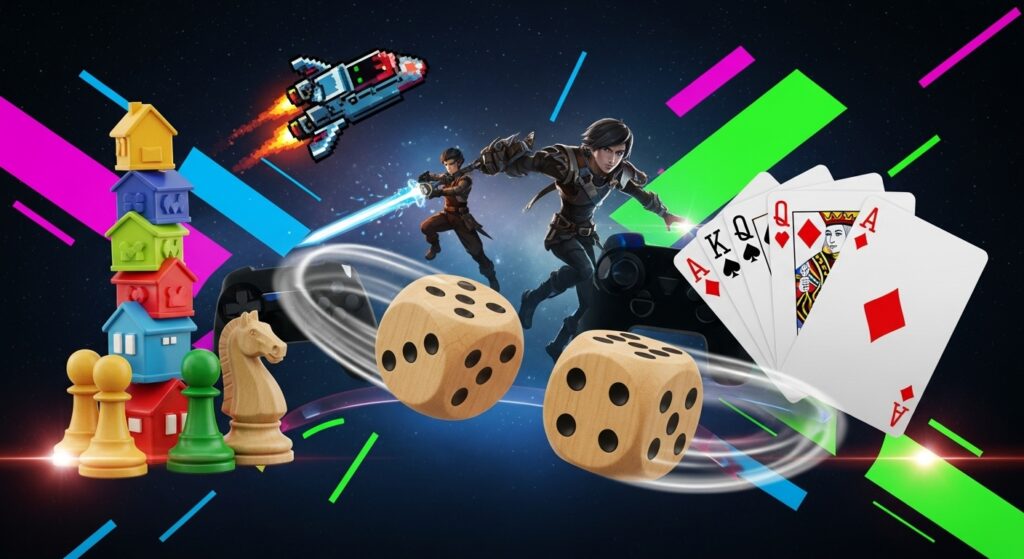
Introduction: The Enduring Power of Games
Games have always been a central part of human life, serving not only as entertainment but also as tools for learning, social interaction, and creative expression. From traditional board games played centuries ago to the sophisticated digital experiences of today, games provide a way for people to explore strategy, skill, and imagination. They offer challenges, rewards, and the excitement of competition, engaging players of all ages and backgrounds. In the modern era, games have grown into a global phenomenon, influencing culture, technology, and social behavior. Their impact extends far beyond simple amusement, shaping how we interact with media, each other, and even ourselves.
The Historical Evolution of Games
The history of games is a story of innovation and human creativity. Early civilizations developed games that tested logic, dexterity, and strategy. Ancient societies played board games like Senet in Egypt and Go in China, both of which required planning and critical thinking. As societies evolved, so did gaming, with the introduction of card games, tabletop role-playing, and early arcade games. The digital revolution of the late twentieth century marked a major turning point. Computers and consoles enabled interactive storytelling, realistic graphics, and multiplayer connectivity. Today, games span numerous formats and genres, demonstrating their enduring appeal and adaptability to changing technologies.
Video Games: Interactive Worlds and Storytelling
Video games are one of the most popular forms of modern entertainment. They offer immersive experiences that combine visual storytelling, sound design, and player interaction. Through video games, players can explore fantastical worlds, solve complex puzzles, and engage in strategic battles. Popular genres include role-playing games, first-person shooters, simulation games, and strategy titles, each offering unique challenges and experiences. Video games are not only entertaining but also foster cognitive development, encouraging problem-solving, decision-making, and creativity. Multiplayer modes and online communities further enhance engagement by creating social spaces where players collaborate and compete globally.
Mobile Gaming: Entertainment Anywhere
The rise of smartphones and tablets has revolutionized the way people play games. Mobile gaming allows players to enjoy entertainment anytime and anywhere, from casual puzzle games to competitive strategy titles. Mobile platforms have democratized gaming, reaching audiences who may not have access to consoles or high-performance PCs. Features like in-app purchases, social integration, and multiplayer functionality make mobile gaming highly engaging. Additionally, mobile games have paved the way for emerging trends in esports, allowing players to participate in tournaments and global competitions without specialized hardware.
Board Games: Classic Entertainment with Modern Appeal
While digital gaming dominates much of the entertainment landscape, board games remain timeless. Classics like chess, Monopoly, and Scrabble continue to captivate players, while modern tabletop games introduce innovative mechanics, storytelling elements, and cooperative play. Board games encourage social interaction, strategic thinking, and problem-solving in ways that digital games often cannot replicate. They are used not only for entertainment but also as educational tools, helping develop skills such as negotiation, collaboration, and critical thinking. The tactile nature of board games and the face-to-face interaction they provide ensure their ongoing relevance in the digital age.
Esports: Competitive Gaming on a Global Stage
Esports has transformed games into professional competitions. Players participate in organized tournaments representing teams and competing for substantial prizes. Popular esports games include multiplayer online battle arenas, first-person shooters, and real-time strategy titles. Esports attracts millions of viewers through live streaming and broadcasts, creating a global audience and fostering fan communities. Professional players invest hours of practice, strategy, and teamwork, demonstrating that gaming can be a serious career. The rise of esports highlights how games have evolved from casual entertainment into a structured and lucrative industry.
Games as Tools for Learning
Games have significant educational value. Many games challenge players to think critically, plan strategically, and make decisions under pressure. Puzzle games improve problem-solving skills, strategy games enhance planning and resource management, and simulation games teach systems thinking and real-world applications. Educational institutions increasingly use games to engage students, combining learning with interactive play. By integrating entertainment and education, games offer a unique way to develop cognitive, social, and emotional skills.
Social and Community Aspects of Gaming
Games foster social interaction and create vibrant communities. Online multiplayer games, social features, and forums allow players to connect, collaborate, and compete with others around the world. Communities often form around shared interests, offering spaces for discussion, mentorship, and content sharing. Social engagement enhances enjoyment and retention, transforming gaming from a solitary activity into a collective experience. Whether through cooperative missions, competitive tournaments, or fan communities, games encourage meaningful interaction and collaboration.
Virtual Reality: The Next Frontier
Virtual reality (VR) represents a new frontier in gaming, offering fully immersive experiences. VR allows players to explore digital worlds, interact with objects, and participate in lifelike simulations. The technology enhances engagement, providing emotional and sensory experiences beyond traditional screens. VR games offer opportunities for immersive storytelling, educational simulations, and interactive training. As VR technology advances, gaming will increasingly blur the line between the virtual and physical worlds, providing more engaging and realistic experiences for players.
Cross-Platform Play and Accessibility
Modern gaming emphasizes cross-platform compatibility, allowing players on consoles, PCs, and mobile devices to interact seamlessly. Cross-platform play expands communities, promotes inclusivity, and ensures continuity in gameplay. Players can maintain progress, achievements, and in-game purchases across devices, enhancing convenience and engagement. Accessibility features, including customizable controls and adaptive technologies, make games available to a broader audience, ensuring that entertainment is inclusive and widely available.
The Economics of Gaming
The gaming industry is a major contributor to the global economy. Revenue streams include game sales, subscriptions, in-game purchases, advertising, and esports events. Game development drives innovation in software, hardware, and design, supporting numerous careers in programming, art, marketing, and customer service. Gaming also stimulates related industries such as media production, merchandising, and live events. Its economic impact demonstrates that games are more than entertainment—they are a significant cultural and commercial force.
Psychological Engagement in Games
Games engage players through challenge, reward, and progression. The anticipation of success, the satisfaction of mastering skills, and the excitement of competition create deep psychological engagement. Games provide safe environments to experiment, take risks, and explore decision-making without real-world consequences. Achievement systems, levels, and feedback loops motivate players and encourage sustained participation. By stimulating cognitive, emotional, and social faculties, games offer meaningful and immersive experiences beyond casual amusement.
Cultural Impact of Games
Games have a profound influence on culture. They shape fashion, language, social norms, and entertainment trends. Iconic titles inspire movies, music, and fan communities, while narratives reflect societal values, ethical dilemmas, and human experiences. Gaming creates shared cultural references across generations, fostering global connections and influencing media consumption habits. Through both digital and physical platforms, games contribute to cultural exchange, creativity, and community building.
Nostalgia in Gaming
Nostalgia plays a vital role in gaming culture. Remakes, sequels, and retro games evoke memories and emotions, appealing to longtime fans while introducing classics to new audiences. Nostalgic elements foster loyalty and engagement, creating emotional connections that extend beyond gameplay. This blending of past and present reinforces the cultural significance of games and ensures their continued relevance in an ever-evolving industry.
Future Trends in Gaming
The future of gaming promises unprecedented innovation. Technologies such as augmented reality, cloud gaming, artificial intelligence, and VR/AR integration will create more immersive, interactive, and personalized experiences. Games will continue to expand into educational, social, and professional domains, integrating seamlessly with daily life. Accessibility, diversity, and community engagement will remain central, ensuring that gaming continues to evolve while remaining inclusive and culturally relevant.
Conclusion: The Lasting Influence of Games
Games are far more than a form of entertainment—they are tools for learning, social connection, and cultural expression. From traditional board games to advanced virtual reality experiences, they engage, inspire, and challenge players of all ages. Games influence culture, technology, and society, reflecting human creativity and fostering communities. As gaming technology advances, games will continue to shape how we play, learn, and interact, solidifying their role as a fundamental component of modern life and a lasting form of entertainment.